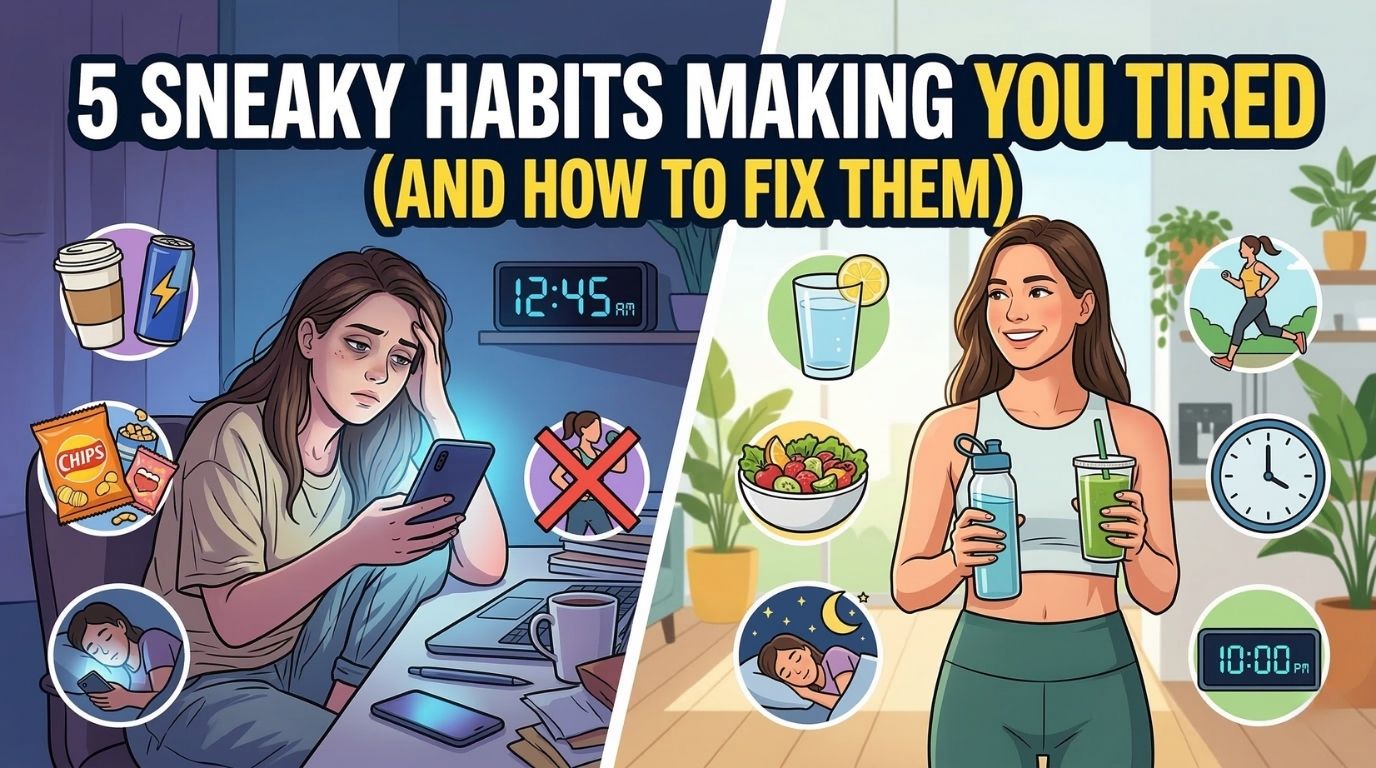
In the relentless pursuit of professional excellence and personal fulfillment, many of us find ourselves perpetually battling a pervasive enemy: fatigue. It's not just the occasional yawn; it's that deep, bone-weary exhaustion that saps motivation, dulls cognitive function, and erodes our capacity for both work and joy. While we often point to obvious culprits like insufficient sleep or demanding schedules, the truth is that chronic tiredness often stems from a more insidious source—a collection of subtle, often overlooked habits woven into the fabric of our daily lives. These aren't grand transgressions, but rather small, habitual oversights that cumulatively drain our energy reserves, leaving us feeling perpetually run down. Recognizing these 'sneaky habits' is the first critical step toward reclaiming our vitality. This comprehensive guide will illuminate five common, yet frequently missed, contributors to persistent fatigue and, more importantly, equip you with actionable strategies to counteract their draining effects, empowering you to restore your energy and enhance your overall well-being and productivity.
1. The Dehydration Drain: When Your Body Runs on Empty
Water is the fundamental solvent of life, comprising a significant portion of our body weight and playing an indispensable role in virtually every physiological process. Yet, chronic low-level dehydration is an alarmingly common and often unrecognized contributor to persistent fatigue. Many of us operate in a perpetual state of mild fluid deficit, mistaking thirst for hunger or simply ignoring our body's subtle signals until true dehydration sets in. This isn't about severe dehydration requiring medical intervention; it's about the everyday inadequacy of fluid intake that slowly erodes our energy and cognitive function.
The Fatigue Factor: How Dehydration Undermines Your Energy
Even a slight dip in hydration levels—as little as 1-2% of body weight loss due to fluid—can have a profound impact on physical and mental performance. When you're dehydrated:
Reduced Blood Volume: Your blood becomes thicker, forcing your heart to work harder to pump oxygen and nutrients to your muscles and organs. This increased cardiovascular strain translates directly into fatigue.
Impaired Oxygen Transport: Less efficient blood flow means less oxygen reaching your brain and muscles, leading to brain fog, difficulty concentrating, and muscle weakness.
Slower Metabolic Processes: Water is crucial for metabolic reactions that convert food into energy. Without adequate hydration, these processes slow down, diminishing your body's ability to produce energy efficiently.
Electrolyte Imbalance: Dehydration can disrupt the delicate balance of electrolytes (sodium, potassium, magnesium), which are vital for nerve function, muscle contractions, and cellular energy production.
Brain Function Degradation: Studies have repeatedly shown that even mild dehydration can impair mood, memory, attention, and reaction time. Your brain, being 75% water, is particularly sensitive to fluid fluctuations.
"Dehydration is a quiet thief of energy. It doesn't always announce itself with extreme thirst, but rather with a creeping sense of lethargy, a dull headache, or a surprising inability to focus."
— Nutritional Scientist
The Fix: Rehydrating for Renewed Vitality
Addressing chronic dehydration requires a conscious and consistent effort to prioritize fluid intake throughout the day. It's not just about gulping down water when you feel thirsty, but establishing proactive hydration habits.
Set Daily Targets: Aim for at least 8-10 glasses (2-2.5 liters) of plain water daily, adjusting for activity level, climate, and individual needs. Keep a water bottle within reach at all times.
Start Strong: Begin your day with a large glass of water to rehydrate after sleep.
Infuse for Flavor: If plain water is unappealing, infuse it with slices of fruit (lemon, cucumber, berries), herbs (mint), or ginger for natural flavor without added sugar.
Hydrating Foods: Incorporate water-rich fruits and vegetables into your diet, such as watermelon, oranges, spinach, and bell peppers. Soups and broths also contribute to fluid intake.
Mindful Sips: Develop the habit of taking small sips of water periodically throughout meetings, while working at your desk, or during commute times.
Limit Dehydrating Beverages: While coffee and tea contain water, their diuretic effects can sometimes counteract hydration. Moderate intake and balance them with additional water. Sugary drinks offer empty calories and can contribute to energy crashes.
By consistently supplying your body with the hydration it needs, you'll notice a significant improvement in energy levels, cognitive clarity, and overall physical comfort. This foundational habit is often the easiest to overlook, yet one of the most impactful to rectify for sustained energy.
2. The Digital Drain: Overstimulation and Sleep Disruption
In our hyper-connected world, digital screens are ubiquitous. From smartphones and tablets to laptops and televisions, we are constantly bathed in their glow. While these devices are powerful tools for productivity and communication, their pervasive use, especially in the hours leading up to bedtime, has emerged as a significant, yet often underestimated, contributor to chronic fatigue. The digital drain isn't just about eye strain; it's a complex interplay of light exposure, mental overstimulation, and the erosion of restorative sleep.
The Fatigue Factor: How Screens Steal Your Rest
The blue light emitted by digital screens is particularly problematic for our circadian rhythm—our body's natural sleep-wake cycle. Here's how it works:
Melatonin Suppression: Blue light signals to our brain that it's daytime, even if it's 11 PM. This suppresses the production of melatonin, the hormone responsible for inducing sleepiness. Without sufficient melatonin, falling asleep becomes difficult, and sleep quality suffers.
Mental Overstimulation: Engaging with emails, social media, news, or even entertainment before bed keeps our minds active and alert. The constant stream of information and notifications can trigger a mild stress response, making it harder for the brain to transition into a relaxed state conducive to sleep.
"Revenge Bedtime Procrastination": Many individuals, feeling a lack of control over their daytime hours, reclaim their personal time by staying up late to engage with digital media. This conscious decision to sacrifice sleep for leisure activities, while seemingly a choice, often results in a cumulative sleep debt and chronic fatigue.
Eye Strain and Headaches: Prolonged screen time can lead to digital eye strain (asthenopia), characterized by dry eyes, blurred vision, and headaches, which further contribute to overall discomfort and tiredness.
"Our digital devices are brilliant servants but terrible masters. When they dictate our sleep patterns, they become a primary source of our fatigue, not a tool for our leisure."
— Sleep Specialist
Research published in the Proceedings of the National Academy of Sciences highlighted that individuals exposed to blue-light emitting devices in the evening experienced reduced melatonin levels, delayed sleep onset, and reported feeling less alert the following morning, underscoring the profound impact on restorative sleep.
The Fix: Reclaiming Your Sleep from the Digital World
Mitigating the digital drain requires conscious boundaries and a commitment to creating a sleep-friendly environment. It's about mindfully disengaging and allowing your body and mind to prepare for rest.
Implement a Digital Curfew: Establish a strict "no screens an hour before bed" rule. This means no smartphones, tablets, laptops, or even bright televisions. Use this time for reading a physical book, listening to calming music, journaling, or light conversation.
Utilize Blue Light Filters: Many devices now have built-in "night mode" or "warm light" settings that reduce blue light emission in the evening. While helpful, they are not a substitute for a full digital detox before bed.
Create a Screen-Free Bedroom: Ideally, your bedroom should be a sanctuary for sleep and intimacy, free from the distractions and temptations of digital devices. Charge your phone in another room.
Mindful Daytime Use: Take regular breaks from screens during the day. Practice the 20-20-20 rule: every 20 minutes, look at something 20 feet away for 20 seconds to reduce eye strain.
Avoid "Doomscrolling": Be mindful of the content you consume, especially late at night. News, social media, or work emails can trigger anxiety and make relaxation difficult.
By establishing clear boundaries with your digital devices, you give your body the opportunity to naturally produce melatonin and transition into deep, restorative sleep. This shift can significantly reduce chronic fatigue and enhance your overall cognitive and emotional resilience.
3. The Blood Sugar Rollercoaster: The Impact of Irregular Eating
Food is fuel, and just as a car needs a consistent supply of quality gasoline, our bodies and brains require a steady stream of nutrients to function optimally. However, many of us inadvertently sabotage our energy levels through irregular eating patterns, skipping meals, or relying heavily on processed foods high in refined sugars and unhealthy fats. This creates a "blood sugar rollercoaster"—a cycle of spikes and crashes that leaves us feeling wired one moment and utterly exhausted the next.
The Fatigue Factor: How Diet Disrupts Your Energy
The way we eat directly impacts our blood glucose levels, which in turn dictates our energy stability. When your eating habits are erratic, several mechanisms contribute to fatigue:
Glycemic Spikes and Crashes: Consuming meals high in refined carbohydrates (e.g., sugary cereals, white bread, pastries) causes a rapid surge in blood glucose. Your body releases a large amount of insulin to bring it down, often overshooting, leading to a subsequent crash in blood sugar (hypoglycemia). This crash manifests as sudden fatigue, irritability, difficulty concentrating, and intense cravings.
Nutrient Deficiencies: Skipping meals, especially breakfast, deprives your body of essential nutrients needed for energy production. Key vitamins and minerals like B vitamins, iron, magnesium, and vitamin D are crucial for converting food into energy and supporting cellular function. Chronic deficiencies can lead to persistent tiredness.
Metabolic Stress: Irregular eating patterns disrupt your body's natural metabolic rhythm. Your metabolism struggles to anticipate and adapt, leading to inefficient energy utilization and increased stress on your endocrine system.
Cortisol Imbalance: When blood sugar levels plummet, your body perceives it as a survival threat and releases cortisol—the "stress hormone"—to trigger a glucose release from your liver. While this keeps you going in the short term, living in a constant state of "emergency" glucose management leads to adrenal fatigue and a "tired but wired" sensation that makes true relaxation impossible.
"Your metabolism isn't a light switch you can flip on and off; it's a finely tuned engine. Feeding it high-octane sugar spikes followed by periods of 'fuel starvation' is the fastest way to wear out the machinery."
— Metabolic Health Specialist
The Fix: Stabilizing the Engine
To exit the rollercoaster, you need to provide your body with slow-burning, consistent fuel sources that prevent the spike-and-crash cycle.
Prioritize the "Power Trio": Ensure every meal contains a combination of complex carbohydrates (fiber), lean protein, and healthy fats. This combination slows the absorption of glucose into the bloodstream.
Don't Skip the Start: Eat a protein-rich breakfast within an hour of waking. This sets a stable metabolic tone for the rest of the day.
Smart Snacking: If you feel an energy dip between meals, reach for a handful of nuts, a hard-boiled egg, or Greek yogurt rather than a sugary granola bar or pastry.
Fiber is Your Friend: High-fiber foods like legumes, whole grains, and leafy greens act as a natural "brake" for sugar absorption.
Mindful Timing: Try to eat at roughly the same times each day. Your body thrives on predictability, and consistent timing helps regulate the hormones involved in energy and hunger.
4. The Sedentary Slump: The Paradox of Inactivity
It seems counterintuitive: if you’re tired, shouldn’t you rest? While sleep is vital, "resting" by sitting on a couch for six hours straight actually has the opposite effect. Physical inactivity is a primary driver of fatigue because it signals to your body that it doesn't need to produce much energy. When demand is low, the supply drops.
The Fatigue Factor: How Stillness Stagnates Energy
Reduced Mitochondrial Efficiency: Mitochondria are the power plants of your cells. Regular movement encourages them to produce more energy. Inactivity tells them to "power down" to a low-energy state.
Poor Circulation: Sitting for long periods causes blood to pool in the lower extremities. This slows the delivery of oxygen and nutrients to the brain and heart, leading to that heavy, lethargic feeling.
Lymphatic Stagnation: Unlike the heart, your lymphatic system (which clears waste from your body) doesn't have a pump. It relies on muscle movement. Without it, metabolic byproducts can linger, contributing to a sense of "heaviness."
The Fix: Movement as Medicine
You don’t need to run a marathon to fix this. The goal is to keep the "current" flowing through your body throughout the day.
Exercise Snacks: Research shows that 5–10 minutes of brisk movement (walking, jumping jacks, or stretching) every hour is more effective for sustained energy than one grueling gym session followed by 8 hours of sitting.
The "Standing" Switch: If you work at a desk, alternate between sitting and standing. Use phone calls as a cue to pace around the room.
Zone 2 Cardio: Aim for low-intensity movement where you can still hold a conversation. This builds "aerobic base" energy without overtaxing your system.
Post-Meal Walks: A 10-minute walk after lunch aids digestion and prevents the dreaded "afternoon slump" by helping your muscles soak up the glucose from your meal.
5. The Shallow Breath Stressor: Oxygen Under-Utilization
Perhaps the sneakiest habit of all is how we breathe. When stressed or focused (a phenomenon known as "Email Apnea"), most people transition into shallow, upper-chest breathing. This subtle shift keeps your body in a low-level "fight or flight" state, which is incredibly taxing on your energy reserves.
The Fatigue Factor: The Cost of Chest Breathing
Carbon Dioxide Buildup: Shallow breaths don't allow for a full exchange of gases. This can lead to slightly elevated levels of CO2 in the blood, which triggers feelings of anxiety and fatigue.
Chronic Sympathetic Activation: Chest breathing signals to the nervous system that there is a threat. This keeps your heart rate slightly elevated and your muscles tense, burning through your "battery" even when you’re just sitting at a desk.
Posture Collapse: Shallow breathing often goes hand-in-hand with slouching. A collapsed ribcage restricts the diaphragm, further limiting oxygen intake and causing neck and shoulder tension that adds to your physical exhaustion.
The Fix: Diaphragmatic Re-patterning
Learning to breathe deeply is the fastest way to "hack" your nervous system and instantly boost your energy levels.
The 4-7-8 Technique: Inhale for 4 seconds, hold for 7, and exhale slowly for 8. This forces your body out of stress mode and into a state of "rest and digest."
Check Your Posture: Periodically "reset" your spine. Imagine a string pulling the top of your head toward the ceiling. This opens up the space for your diaphragm to move freely.
Belly Breathing: Place one hand on your chest and one on your belly. When you inhale, only the hand on your belly should move. Practice this for 2 minutes every morning and night.
Set "Breath Triggers": Use common daily occurrences—like red lights, waiting for the kettle to boil, or opening a new browser tab—as a reminder to take three deep, diaphragmatic breaths.
By addressing these five "sneaky" energy thieves, you aren't just treating the symptoms of tiredness; you are rebuilding your physiological foundation. Reclaiming your vitality isn't about one grand gesture; it's about the cumulative power of small, intentional shifts in how you hydrate, disconnect, eat, move, and breathe.