Low energy is often blamed on motivation, caffeine, or diet alone. Sleep quality is usually the larger factor. You do not need a perfect routine to feel a difference. Small, consistent habits matter more than occasional long nights, and they are easier to keep when life gets busy.
The habits below are practical rather than extreme. They focus on timing, light, stimulants, wind-down cues, bedroom conditions, and daytime movement. Used together, they help many people wake clearer and sustain attention through the afternoon. They are not a substitute for medical care when sleep problems are severe or persistent.
1. Keep a steady wake time
A stable wake time anchors your body clock more reliably than a fixed bedtime. Even after a late night, getting up close to your usual time helps the next evening feel sleepier at the right hour. Weekend swings of several hours can make Monday mornings harder because your internal schedule has shifted.
If you need to adjust your schedule, move wake time in small steps of 15 to 30 minutes rather than making a large jump. Consistency beats intensity here. The goal is a rhythm your body can predict.
2. Dim lights in the last hour
Bright screens and overhead lights delay sleepiness. Lower room lighting and reduce phone brightness before bed. If you must use a device, shorter sessions beat long scrolling. Many people find that moving charging cables out of arm’s reach removes the most common late-night trigger.
Light is a signal. Evening brightness tells your brain to stay alert. Softer light tells it that the day is closing. That cue alone can make falling asleep feel less forced.
3. Cut late caffeine with a hard stop
Caffeine can linger for many hours. Set a personal cutoff—often early afternoon works for most people—and keep it for two weeks before judging results. Tea, soft drinks, pre-workout mixes, and chocolate can also add up, so include them in the same rule if they affect you.
If you rely on caffeine to push through poor sleep, the cycle can reinforce itself. Better overnight recovery usually reduces how much stimulation you need the next day.
4. Wind down with one repeatable cue
Choose a short sequence you can repeat: stretch, shower, read a few pages, or write tomorrow’s top three tasks. The cue tells your brain work is over. Keep it under twenty minutes so it is realistic on stressful days.
Avoid turning wind-down into another productivity project. The point is transition, not optimization. A boring, familiar routine often works better than a complicated night ritual you abandon by Thursday.
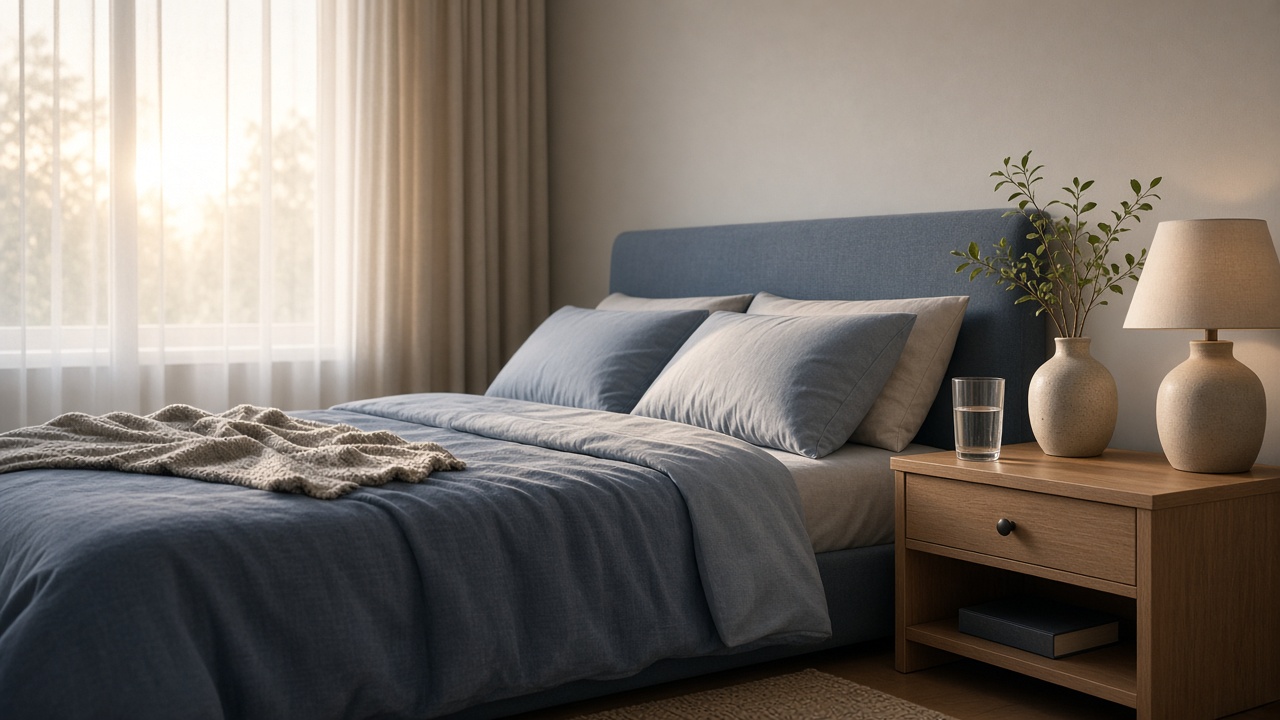
5. Keep the bedroom cool and dark
Most people sleep better in a cooler, darker room. Block light leaks, reduce noise where you can, and reserve the bed for sleep when possible. Simple changes such as blackout curtains, an eye mask, or a fan for steady background sound can help without expensive upgrades.
If your room runs warm, prioritize airflow and lighter bedding before buying gadgets. Comfort that you can maintain every night matters more than a perfect setup used once.
6. Move during the day
Daytime activity supports deeper sleep at night. A brisk walk or short strength session is enough for many people. Outdoor light earlier in the day can also reinforce a healthier sleep-wake rhythm. Avoid intense workouts very close to bedtime if they leave you wired.
Movement is not only about fitness. It is a signal that daytime is for activity and night is for recovery. People who sit all day and then expect immediate sleep often struggle because their body never got a clear activity contrast.
What to expect
These habits will not fix every sleep issue overnight. Give them one to two weeks of honest consistency before deciding what works. Track wake time, caffeine cutoff, and morning energy in a simple note so you can see patterns instead of guessing.
If snoring, frequent waking, gasping, or persistent daytime sleepiness continues, talk to a clinician. Those signs can point to conditions that lifestyle habits alone cannot solve. For most people, though, steady basics beat complicated protocols. Better energy usually starts the night before, and the habits that stick are the ones simple enough to repeat.