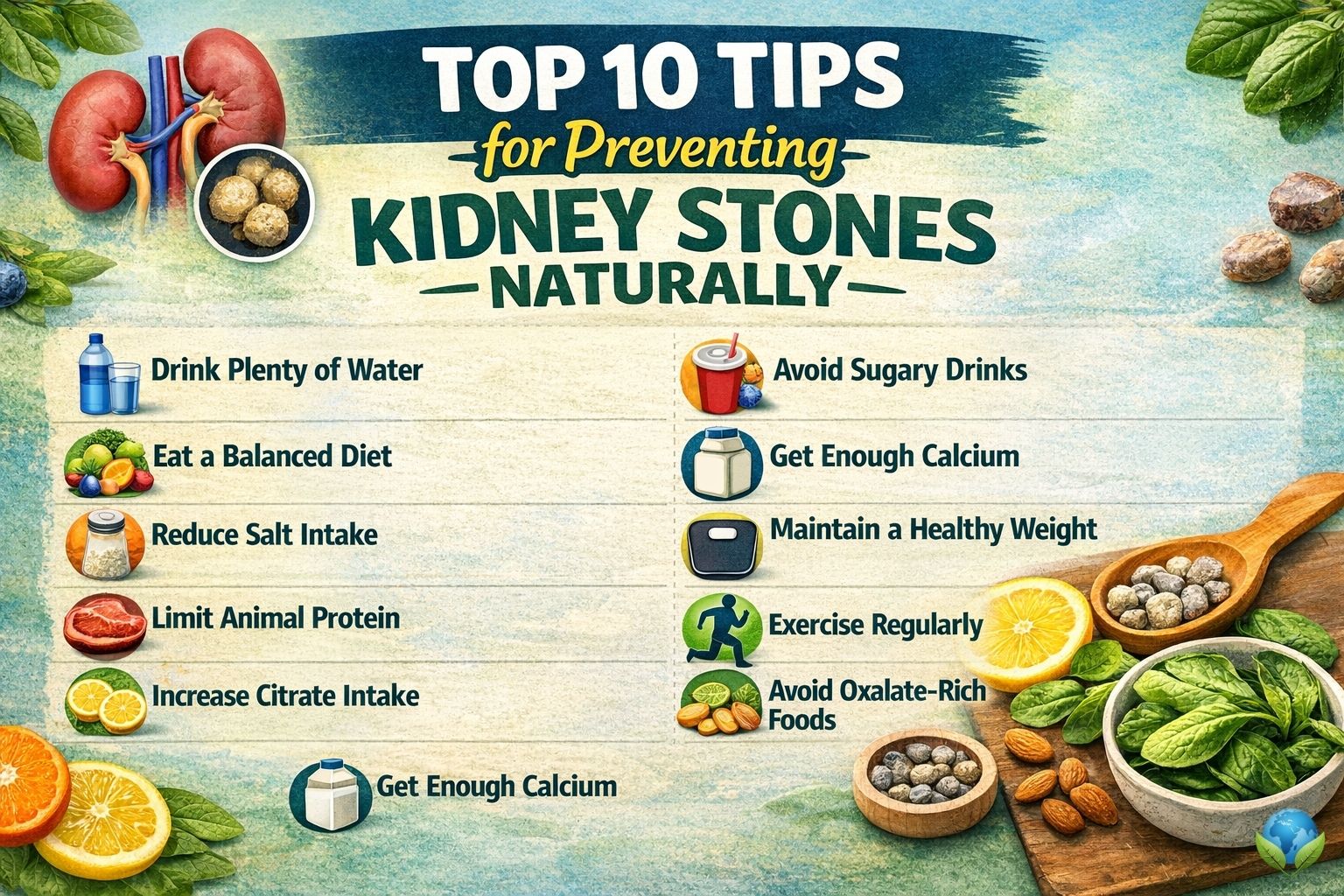
Kidney stones, those tiny, crystal-like deposits that form in the kidneys, are notorious for causing excruciating pain and discomfort. Affecting millions worldwide, their prevalence is on the rise, often attributed to modern diets and sedentary lifestyles. While medical interventions are available for treating existing stones, the proactive approach of prevention is undeniably superior. The good news is that many effective strategies for preventing kidney stones are entirely natural, focusing on dietary and lifestyle modifications that can significantly reduce your risk. Understanding the underlying causes and implementing these changes can empower you to take control of your kidney health and avoid the agony of stone formation. This comprehensive guide delves into the top 10 natural tips, offering actionable insights and evidence-based advice to help you maintain optimal kidney function and live a stone-free life. From the fundamental importance of hydration to nuanced dietary adjustments, we'll explore how simple yet profound changes can make a world of difference in your long-term well-being.
Understanding Kidney Stones and the Power of Prevention
Before diving into prevention, it's helpful to understand what kidney stones are and why they form. Kidney stones are solid masses made of crystals that separate from the urine and build up on the inner surfaces of the kidney. There are several types, with calcium oxalate stones being the most common, accounting for about 80% of all cases. Other types include uric acid stones, struvite stones, and cystine stones. The formation process typically begins when there's an imbalance in the urine – either too much of certain stone-forming substances (like calcium, oxalate, or uric acid) or not enough of the substances that prevent stones from sticking together (like citrate). Dehydration is a significant contributing factor, as it concentrates these stone-forming substances, making crystallization more likely. Genetic predisposition, certain medical conditions, and specific medications can also increase risk.
The pain associated with kidney stones, often described as one of the most severe pains a person can experience, occurs when a stone moves into the narrow ureter, blocking urine flow and causing pressure to build up in the kidney. Symptoms can include severe pain in the back or side, pain that radiates to the lower abdomen and groin, painful urination, blood in the urine, nausea, vomiting, and fever or chills if an infection is present. Given the debilitating nature of kidney stone episodes and the potential for recurrence – with a 50% chance of developing another stone within 5-7 years if no preventive measures are taken – the emphasis on natural prevention becomes paramount. By understanding the mechanisms of stone formation, we can strategically implement dietary and lifestyle changes that target these pathways, effectively reducing the risk of both initial formation and recurrence without relying heavily on pharmaceutical interventions. These natural strategies leverage the body's own regulatory systems to maintain a healthy urinary environment.

The Cornerstone of Prevention: Hydration and Thoughtful Dietary Adjustments
The foundation of kidney stone prevention lies in what you consume and how well you hydrate your body. These initial tips are often the most impactful and easiest to implement, offering immediate benefits to your urinary health and overall well-being. Focusing on these core principles can significantly alter the chemical composition of your urine, making it less conducive to stone formation.
1. Drink Plenty of Water
This is arguably the most crucial and universally recommended tip for kidney stone prevention. The primary goal is to keep your urine dilute, which prevents stone-forming minerals from concentrating and crystallizing. When your urine is highly concentrated, the likelihood of these substances clumping together increases dramatically. Think of it like a very sugary drink: if you let it sit, crystals might form. Add more water, and those crystals dissolve. For kidney stone prevention, the general recommendation is to drink enough fluids to produce about 2 to 2.5 liters (approximately 8-10 glasses) of light-colored, almost clear urine per day. This often translates to consuming 2.5 to 3 liters of fluid daily, though individual needs can vary based on activity level, climate, and overall health. Plain water is the best choice, but clear broths, herbal teas, and some diluted fruit juices (like cranberry juice, if not sweetened) can also contribute to your fluid intake. It's important to spread your water intake throughout the day rather than drinking large amounts all at once. Keep a water bottle handy and sip regularly. Monitoring your urine color is an excellent, simple way to gauge your hydration status: pale yellow indicates good hydration, while dark yellow or amber suggests you need to drink more.
The mechanism behind this tip is straightforward yet powerful. Increased fluid intake helps flush out small crystals before they can grow into larger stones. It also dilutes the concentration of calcium, oxalate, uric acid, and other mineral salts in the urine, making it much harder for them to bind together and form solid masses. For individuals living in hot climates or those who engage in strenuous physical activity, the need for fluid intake may be even higher to compensate for fluid loss through sweat. A study published in the New England Journal of Medicine highlighted that increasing fluid intake to produce at least 2 liters of urine per day significantly reduced the recurrence rate of kidney stones. This simple, cost-effective strategy is the bedrock upon which all other preventive measures are built, underscoring its essential role in maintaining urinary tract health.
2. Limit Sodium Intake
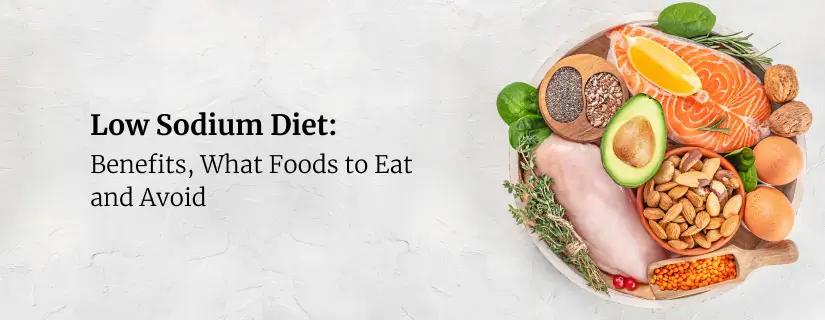
High sodium intake is a well-known risk factor for kidney stones, particularly calcium stones. When you consume a lot of sodium, your kidneys excrete more sodium into your urine. Unfortunately, sodium and calcium share a common transport system in the kidneys. As more sodium is excreted, more calcium also tends to be excreted into the urine. This increased urinary calcium concentration, known as hypercalciuria, significantly elevates the risk of calcium stone formation. The recommended daily sodium intake for most adults is generally less than 2,300 milligrams, but for those prone to kidney stones, some doctors recommend even lower targets, often around 1,500 milligrams per day. Achieving this requires a conscious effort to reduce processed foods, which are often laden with hidden sodium. Examples include canned soups, frozen dinners, deli meats, fast food, and many packaged snacks.
Instead, focus on preparing meals at home using fresh ingredients and flavoring your food with herbs, spices, and lemon juice rather than excessive salt. Reading food labels carefully is crucial, as many seemingly innocent foods can be surprisingly high in sodium. Opt for low-sodium or no-salt-added versions of canned goods and condiments. Reducing sodium not only helps prevent kidney stones but also offers broader health benefits, such as lowering blood pressure and reducing the risk of heart disease. The link between sodium and calcium excretion is a direct physiological one, making this dietary adjustment a highly effective preventive measure. By reducing the load of sodium on your kidneys, you directly contribute to a more balanced urinary chemistry, creating an environment less favorable for stone development.
3. Reduce Animal Protein
Consuming excessive amounts of animal protein, such as red meat, poultry, eggs, and seafood, can increase your risk of developing certain types of kidney stones, particularly uric acid and calcium oxalate stones. Animal proteins are highly acidic, and their metabolism produces a significant acid load that needs to be buffered by the body. This process can lead to an increase in uric acid excretion and a decrease in urinary citrate, a natural inhibitor of stone formation. Furthermore, high animal protein intake can increase the excretion of calcium and oxalate in the urine, while simultaneously reducing urine volume, all of which contribute to a higher risk of stone formation. The goal isn't necessarily to eliminate animal protein entirely, but rather to moderate intake and ensure a balanced diet.
Consider replacing some animal protein servings with plant-based alternatives like legumes (beans, lentils), tofu, tempeh, quinoa, and nuts. If you do consume animal protein, aim for smaller portions and ensure they are balanced with plenty of fruits and vegetables, which help to alkalize the urine and counteract the acid load. For instance, a typical serving of meat should be about the size of a deck of cards. Studies have shown that individuals who follow a diet lower in animal protein tend to have a lower risk of kidney stone recurrence. This dietary shift not only aids in stone prevention but also aligns with broader recommendations for heart health and reduced risk of chronic diseases. By managing your protein sources and quantities, you can significantly influence the metabolic environment that affects stone formation, promoting a healthier urinary system.
Balancing Your Diet for Optimal Kidney Health
Beyond hydration and general dietary restrictions, specific nutrients play a critical role in preventing kidney stones. Striking the right balance with calcium, oxalate, and citrate intake is key to maintaining a urinary environment that discourages stone formation.
4. Get Enough Dietary Calcium
This tip often comes as a surprise, as many people mistakenly believe that calcium causes kidney stones. In reality, *dietary* calcium is crucial for preventing calcium oxalate stones, the most common type. The misunderstanding often arises because calcium is a primary component of these stones. However, when calcium is consumed as part of a meal, it binds with oxalate in the intestines before oxalate can be absorbed into the bloodstream and reach the kidneys. This binding prevents oxalate from being excreted in the urine, where it could otherwise combine with calcium to form stones. If you restrict dietary calcium, more oxalate becomes available for absorption, leading to higher urinary oxalate levels and an increased risk of stone formation.
The recommended daily intake of calcium for most adults is 1,000 to 1,200 milligrams. Excellent sources of dietary calcium include dairy products (milk, yogurt, cheese), fortified plant-based milks, leafy green vegetables (kale, collard greens), and fortified cereals. It's important to get calcium from food rather than relying heavily on calcium supplements, especially those taken without food, as supplements can sometimes increase the risk of stone formation in susceptible individuals by releasing calcium directly into the bloodstream without the opportunity to bind with oxalate in the gut. Always consume calcium-rich foods with meals. For example, if you're having a spinach salad (high in oxalate), adding some cheese or yogurt dressing can help mitigate the oxalate's impact. A balanced approach to calcium intake is therefore a cornerstone of effective kidney stone prevention, debunking the common myth and highlighting the importance of understanding nutrient interactions.

5. Limit Oxalate-Rich Foods (But Don't Eliminate Them)
Oxalate is a natural substance found in many foods, and when it combines with calcium in the urine, it can form calcium oxalate stones. While limiting oxalate-rich foods is a valid strategy, it's crucial not to eliminate them entirely, as many are highly nutritious. The key is moderation and understanding how to pair them with calcium. Some of the foods highest in oxalate include spinach, rhubarb, almonds, cashews, chocolate, sweet potatoes, beets, tea (especially black tea), and soy products. For individuals who are frequent stone formers, particularly those with a history of calcium oxalate stones and high urinary oxalate levels, reducing intake of these foods can be beneficial.